
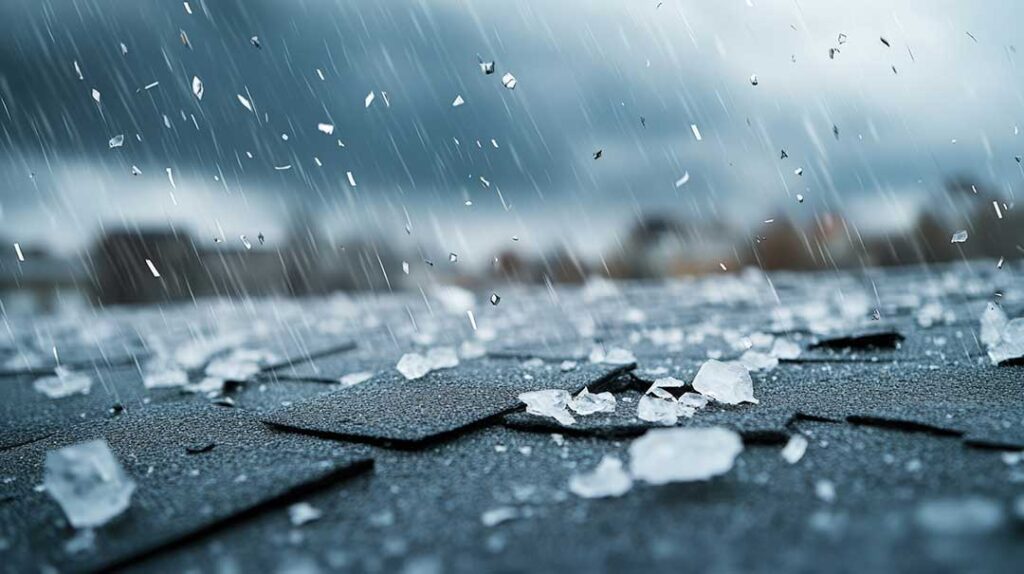
What Is Ice Damming?
Ice damming is a winter roofing problem where a ridge of ice forms along the edge of a roof, stopping melting snow from draining off. This forces water to back up under the shingles, which can cause leaks and damage to ceilings, insulation, walls, and roofs themselves. In Clifton Park, NY, where long cold spells and periodic snowfall are common, ice damming poses a recurring concern for area homeowners each winter.
Why Does Ice Damming Happen in Clifton Park?
Ice dams develop when sections of a roof are covered with snow while the attic beneath is warmer than the outdoor temperature. Here’s what typically happens in the community:
- Heat rises from inside households and escapes through the roof, warming the underside of the shingles.
- This heat melts the bottom layer of snow, which trickles down until it reaches the eaves (where there is no attic heat).
- At the colder roof edge, the water refreezes, gradually forming a barrier of ice.
Homes in Clifton Park often experience temperature swings between freezing and thawing, along with periods of heavy snow accumulation. This creates ideal conditions for the freeze-melt cycle that leads to ice damming.
What Problems Can Ice Dams Cause?
Even small ice dams can result in a surprising amount of water damage. Some of the most common effects seen in local households are:
- Water leaks that stain ceilings, walls, and insulation
- Paint blistering or peeling inside the home
- Warped or rotten wood along overhangs
- Loss of attic insulation effectiveness, leading to higher energy bills
- Mold growth in attics or behind walls due to persistent moisture
Many residents are surprised by how water can travel far from the original ice dam, sometimes dripping into walls or electrical fixtures.
Can Ice Dams Be Prevented?
Yes, most ice damming can be prevented by addressing underlying causes of uneven roof temperatures and ensuring snow has a clear path to safely melt away. Prevention focuses on improving attic insulation, ventilation, and roof drainage—common areas of concern in the region’s sloped-roof homes.
How Can Local Residents Improve Insulation and Ventilation?
Improving insulation and attic ventilation is the most effective way to reduce the risk. In Clifton Park, many houses were built in eras when insulation standards were lower, so attic improvements are often needed. Effective steps include:
- Sealing leaks: Block air leaks near chimneys, vent pipes, pull-down stairs, light fixtures, and attic hatches to keep warm air from escaping into the attic.
- Adding insulation: Bringing the attic insulation up to at least R-38 is strongly recommended for the climate, though R-49 provides superior protection.
- Improving ventilation: Ensure soffit vents are clear and paired with ridge or gable vents for consistent airflow from eaves to roof peak, keeping the roof cold and discouraging ice melt at the edges.
These improvements help maintain a cold roof surface so snow melts evenly or not at all until conditions naturally allow.
What Role Does Roof Design and Maintenance Play?
Roof shapes, overhangs, and gutter systems all affect the chance of ice damming. Low-sloped roofs, deep eaves, or complicated shapes can worsen the problem. Maintenance tips for residents include:
- Clean gutters each fall to prevent clogs that trap ice or meltwater.
- Check for loose shingles, dammed valleys, or missing flashing that could let water in.
- Trim any branches that deposit debris on the roof, which can hold moisture or ice.
Newer local homes often benefit from ice and water barrier membranes under the shingles along eaves and valleys, which add an extra layer of leak protection.
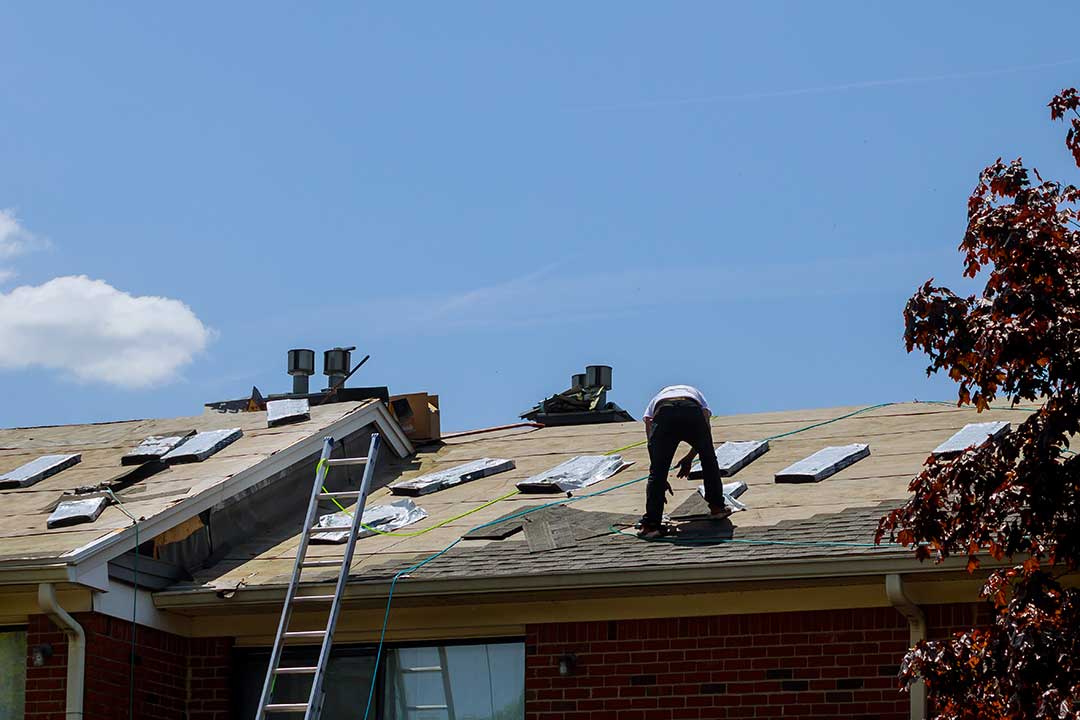
Are There Safe Ways to Remove Ice Dams?
For households already dealing with significant ice accumulation, only low-risk removal approaches should be considered:
- Use a long-handled roof rake while standing safely on the ground, pulling snow off the roof edge before it can melt and refreeze.
- Place calcium chloride ice melt in socks or fabric tubes perpendicular to the eaves to create channels in existing ice (never use rock salt, which can damage the roof and nearby plants).
Chipping or hacking ice off should be avoided because it can easily damage roofing materials and is risky for anyone climbing a ladder in winter conditions.
Are Heat Cables or Other Devices Helpful?
Residents sometimes ask about installing electric heat cables on the roof edge. These can work to keep ice from forming at specific problem spots; however, they are generally considered a last resort. Heat cables do not fix attic heat loss, and improper installation or reliance on cables can mask underlying efficiency issues. For most homeowners in the city, better insulation and attic air sealing are safer and longer-lasting solutions.
Common Misconceptions About Ice Dams
Several ideas circulate each winter in the area:
- “If my gutters are clear, I won’t have ice dams.” While clean gutters help drainage, they cannot prevent ice damming if heat is escaping from the attic and melting roof snow.
- “Metal roofs can’t get ice dams.” Metal does shed snow more easily, but ice can still form at the eaves if the conditions are right.
- “It only happens on old roofs.” Any home, regardless of age, is susceptible if attic heat leaks or poor ventilation exist.
When Should Safety or Professional Help Be Considered?
While many preventive steps can be managed by homeowners, some situations do require extra caution, especially when:
- Heavy ice is threatening to dislodge gutters or damage wiring
- Water leaks develop near electrical fixtures
- The roof pitch is too steep or slick for safe do-it-yourself snow removal
In these cases, safety should always come first, and risking a fall or electrical hazard is never advisable. For the majority of issues, regular attic and roof maintenance through the fall and early winter is the most effective approach for Clifton Park homes.
