
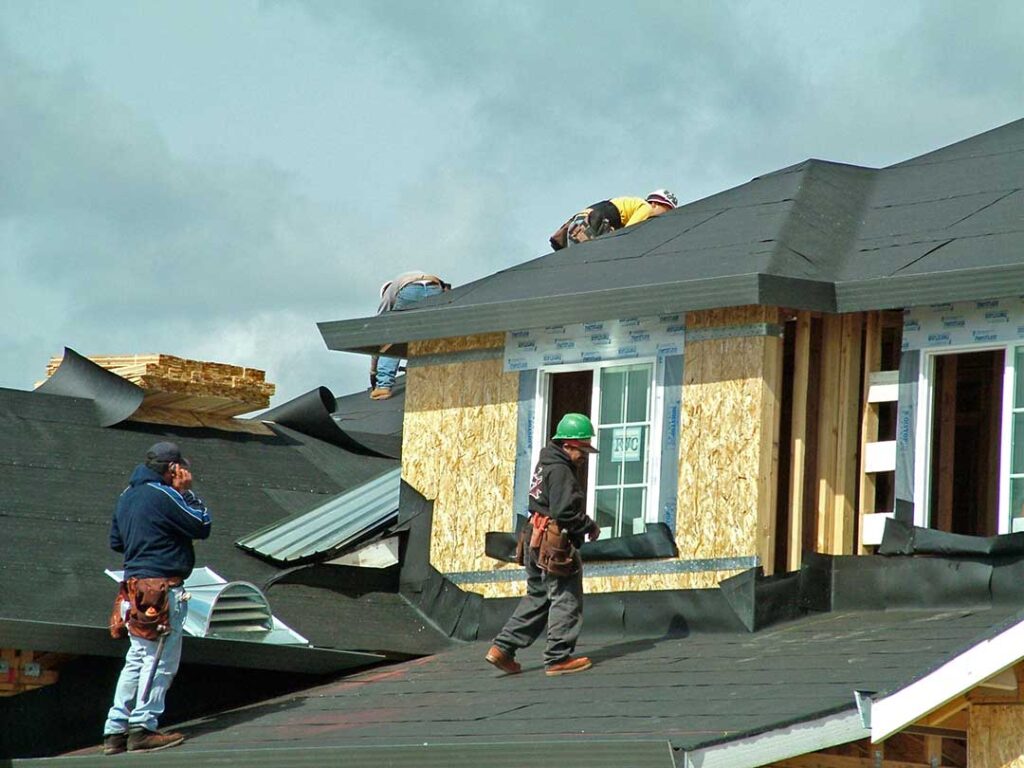
Do Roofs Really Last as Long as Warranties Suggest?
Many residents believe that if a roof comes with a 30-year or “lifetime” warranty, it will reliably last that long. In reality, roof longevity in Clifton Park depends on weather exposure, installation quality, attic ventilation, and maintenance—not just the manufacturer's rating.
Shingle roofs in the area often face harsh winters, freeze-thaw cycles, summer storms, and occasional hail. Local experience shows that asphalt shingles typically perform well for 18–22 years under average conditions, but factors such as missing flashings or moss growth can shorten this lifespan. Warranties may cover manufacturing defects but don't guarantee full roof replacement for normal wear or weathering.
Is It True That All Roof Leaks Mean a Full Replacement Is Needed?
A common worry is that discovering a leak automatically signals a failing roof. Most leaks in Clifton Park homes are localized—often caused by flashing issues, storm damage, or clogged gutters. Addressing these specific problems can usually resolve leaks without replacing the entire roof.
For example, if water stains appear near a chimney or vent, the cause is often failed caulk or loose flashing rather than overall shingle failure. Full replacement might only be necessary if the leak is widespread or the roof deck is rotted.
Are Dark-Colored Shingles Always a Bad Choice for Local Homes?
Some residents think that dark shingles make homes much hotter in summer. While dark roofing does absorb more heat, this effect is less dramatic in Clifton Park’s climate than in hotter regions. Well-ventilated attics and adequate insulation typically prevent interior overheating even with darker shingles.
The choice of color more significantly affects winter snowmelt, with dark roofs often shedding snow and ice more quickly. Area homeowners may actually benefit from this property, as it can reduce ice damming risk.
Does Metal Roofing Cause Significant Ice and Snow Problems?
It is often assumed that metal roofs lead to hazardous sheets of sliding snow and ice. Metal does promote snow sliding off, but with proper snow guards (which are common in the region), this risk is managed effectively.
Metal roofing can actually reduce long-term issues caused by ice dams compared to shingle roofs, because the smooth surface allows snow to leave the roof so meltwater doesn’t pool and refreeze at the eaves. Thoughtful design—like placing snow guards above walkways—makes metal roofs safer during winter months.
Can Roofs Be Installed Year-Round, Even in Cold Weather?
Many believe that roofing can only be installed in summer. While local contractors often prefer milder weather, asphalt shingles and other materials can be installed during shoulder seasons, and even winter, with extra care.
- Shingles require specific handling in cold conditions to avoid breaking.
- Self-adhesive materials may not seal properly below certain temperatures.
- Temperatures below 40°F can delay some components of installation or repairs.
Those planning projects late in the year should discuss timing and installation methods to avoid issues with snow, ice, or shingle adhesion.
Is Roof Maintenance Optional Until Obvious Damage Occurs?
Some area households think annual inspection or routine maintenance is unnecessary unless visible problems—like missing shingles—arise. In reality, regular attention is a key factor in extending roof life and minimizing repair costs.
- Quiet attic leaks might cause mold or wood rot before stains ever show on ceilings.
- Clearing gutters reduces ice dam risk during freeze-thaw periods.
- Checking for raised nails and lifting shingles can prevent wind damage.
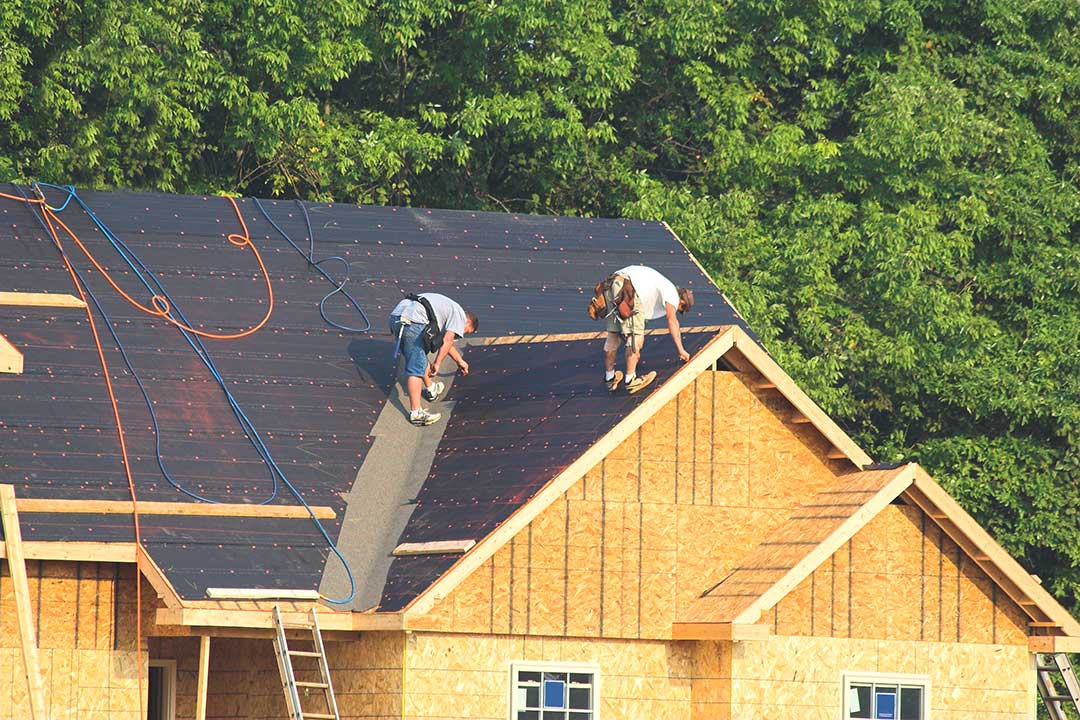
Local climate shifts and occasional storms mean preventive care is essential, even on new roofs.
Are All Roofing Materials Equally Suitable for Homes in This Region?
There’s a misconception that any popular roofing material will work equally well in the city. However, Clifton Park’s climate—with its snowy winters and humid summers—makes some choices more practical than others.
- Asphalt shingles are widely used but vary by thickness and wind resistance.
- Metal roofing is increasingly popular for its durability and snow-shedding ability.
- Wood shakes, while attractive, may require special coatings for weather resistance and aren’t always ideal given local humidity.
Selecting a roofing material should take into account regional snow loads, likelihood of moss growth, and compatibility with local building codes.
Can Solar Panels Ruin the Roof?
Residents occasionally worry that solar panel installation will permanently damage their roofing. Properly installed panels by qualified crews typically do not harm roofs and can even extend the lifespan of underlying shingles by shielding them from direct sun and weather.
Mounting systems are designed to ensure waterproof seals around all penetrations. However, it’s smart to assess current roof condition before installing panels, since repairs are more involved once panels are in place.
