
How Does Sunlight Affect Roof Materials?
Continuous sunlight can cause roofing materials to deteriorate more quickly over time. In Clifton Park, NY, roofs experience all four seasons, but summer sun can be particularly intense, exposing shingles and other materials to ultraviolet (UV) rays for several hours each day. UV rays break down the chemical bonds in asphalt, wood, and other roofing components, which leads to cracking, fading, and brittleness.
Residents sometimes assume that only extremely hot climates see sun-related roof damage; however, the UV index in local summers is high enough to start wearing out protective coatings and making the surface more vulnerable to other weather events. Even on cooler days, sunlight accelerates aging. Darker roofing materials absorb more heat, compounding the impact on attic temperatures and material fatigue.
What Are the Signs of Sun Damage on a Roof?
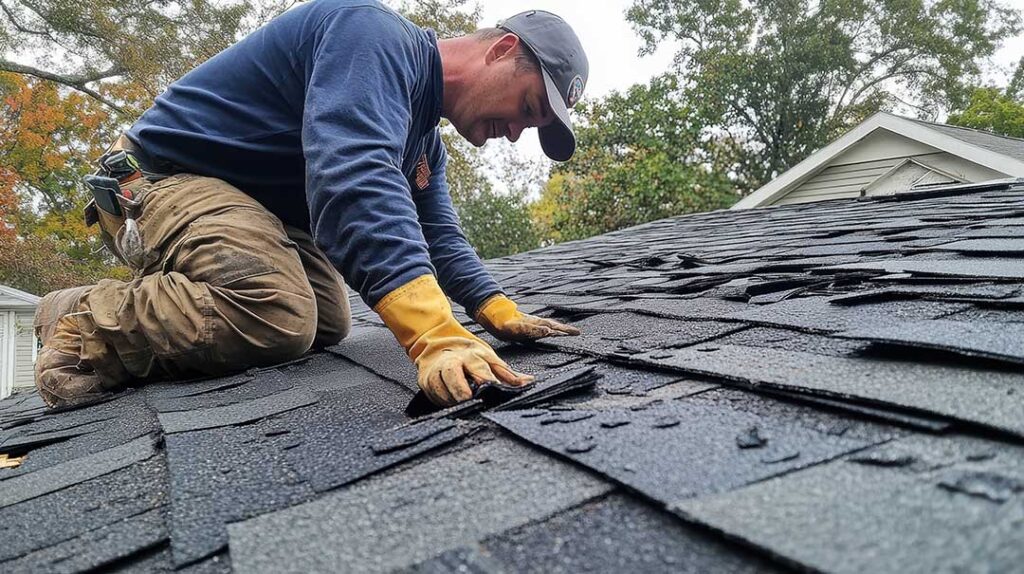
The first visible sign of sun damage is often color fading, especially on asphalt shingles. Over time, sun exposure may cause:
- Brittle, curling, or cracked shingles
- Surfaces that shed granules, leaving bare patches
- Tile warping or discoloration
- Exposed underlayment if material loss is severe
In Clifton Park, sun-damaged roofs sometimes also show uneven fading in areas shielded by trees or chimneys compared to fully exposed slopes. This patchiness is an early clue that sun is accelerating wear. It's common for households to overlook shingle granule loss, which can clog gutters and further reduce a roof's effective lifespan.
Are Some Roofing Materials More Vulnerable Than Others?
Yes, material choice makes a significant difference. Asphalt shingles, the most common material in Clifton Park, tend to degrade faster under UV exposure than metal, clay tile, or slate. Lighter-colored or reflective shingles can minimize heat absorption but won't fully prevent UV degradation. Cedar and wood shake roofs, while traditional, are also prone to sun-induced drying and cracking if not regularly maintained.
Metal roofs resist direct UV damage but can get hot, which may cause insulation challenges under the roof deck. Tile and slate roofs generally withstand sunlight well, but their integrity depends on proper installation to avoid cracking from expansion and contraction.
Does Sun Exposure Make Leaks More Likely?
While sunlight alone doesn't create leaks, it does weaken roofing materials, making them less watertight over time. In Clifton Park, roofs may endure many freeze-thaw cycles, and any cracks formed by sun-induced drying can let water penetrate when it rains or snows. Damaged shingles or underlayment may allow small leaks that grow larger if left unaddressed.
Residents sometimes mistake water stains on ceilings for sudden storm damage, but prolonged sun exposure plays a role behind the scenes by cracking or degrading the barrier that should keep moisture out.
How Does Sunlight Interact with Other Local Weather?
Sun exposure doesn’t act in isolation. In Clifton Park, snow, ice, wind, and seasonal rainfall all combine with UV to stress roofing systems. During the winter, roofs subjected to snow and ice melt see repeated cycles of expansion and contraction; UV-weakened materials are more likely to split or deform. In the summer, roof surfaces may reach high temperatures during the day and cool rapidly at dusk, causing additional wear through thermal shock.
Trees and taller neighboring buildings can create shaded zones that last longer through the day. Areas on a roof that receive less direct sunlight are often in better shape, but this can also allow moss or algae growth in the shade, complicating overall roof health.
Can Homeowners Prevent or Reduce Sun Damage?
Homeowners in Clifton Park have several practical options:
- Choosing lighter-colored or reflective roofing materials in new installations
- Applying UV-resistant roof coatings to slow degradation (especially on flat or low-slope roofs)
- Regularly removing debris to prevent granule loss and assess fading or cracking
- Having attic spaces well-ventilated to reduce the internal temperature of roofing materials
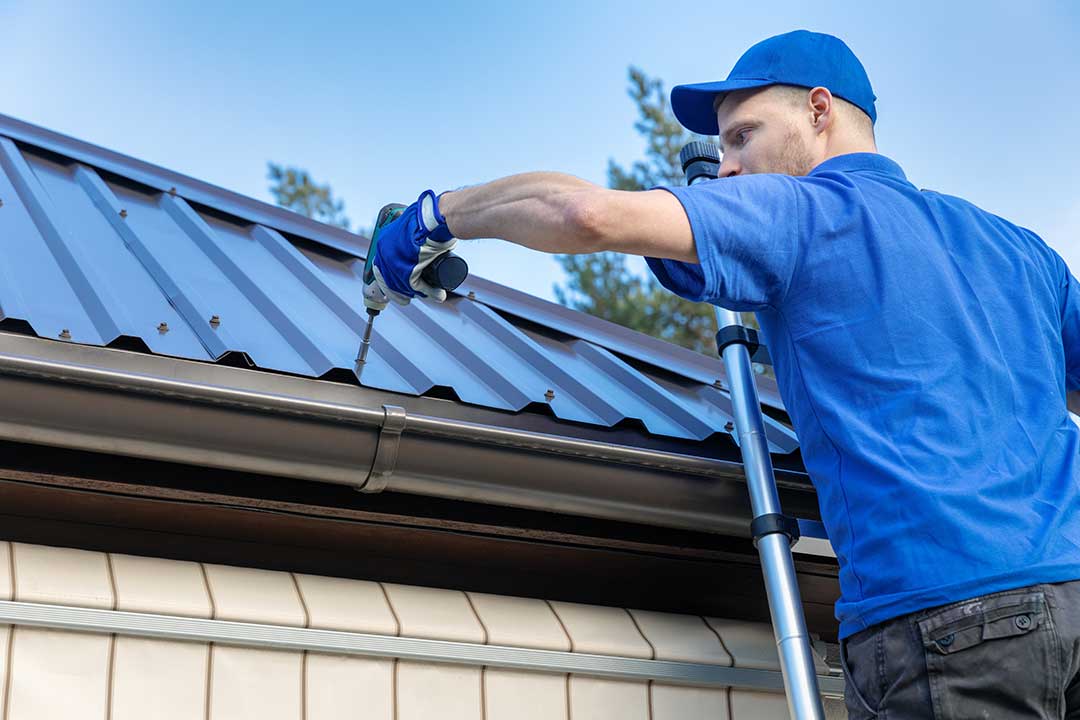
Routine seasonal inspections—either from the ground with binoculars or by safely accessing the roof—can catch early signs of sun damage before larger issues develop. Proper attic insulation and airflow help lower roof surface temperatures, minimizing thermal aging.
Is Sun-Related Roof Damage Covered by Home Insurance?
Most home insurance policies in the city consider sun and weather-related wear as gradual deterioration rather than sudden, covered events. This means repairs or replacement due solely to UV damage are usually considered part of routine maintenance. Reviewing policy details can clarify what types of roof damage are covered should leaks or other issues develop following sun exposure combined with other weather challenges.
What Are Some Common Misconceptions about Sun and Roof Lifespan?
A frequent myth among area households is that clouds or cooler temperatures offer significant protection against UV rays. In reality, up to 80% of UV rays still penetrate through light cloud cover, meaning degradation continues even on overcast days. Another misconception: only south-facing slopes are affected, when in fact any part of the roof with daily sun exposure shows accelerated aging compared to consistently shaded sections.
Paying attention to small, early changes on the roof—like minor curling or granule loss—can help prevent more extensive repairs down the line, even if the changes seem only cosmetic at first.
