

Hail damage is not always obvious from the ground. Small dents, loosened granules, or damaged metal components may appear minor at first but can allow water to enter the roofing system over time. For homeowners in Clifton Park, NY, knowing what to look for after a severe thunderstorm can help distinguish ordinary aging from storm-related damage.
What does hail damage usually look like?
Hail damage commonly appears as small, irregular dents or dark spots on asphalt shingles. The affected area may feel soft or show exposed roofing material where protective granules have been knocked away.
Unlike normal wear, hail impacts are usually scattered across sections of the roof and may affect several roof components at once. Damage can be easier to recognize after the roof has dried, because wet shingles may temporarily hide color changes or depressions.
Common signs include:
- Circular or irregular marks on shingles
- Missing or loosened granules
- Exposed dark asphalt beneath the granule surface
- Cracked, split, or bruised shingles
- Dents in metal flashing, vents, gutters, or downspouts
- Granules collecting in gutters or at the base of downspouts
- Small leaks or new ceiling stains after a storm
A single dark spot does not automatically prove hail damage. Asphalt shingles can also develop dark areas from algae, manufacturing variation, or ordinary aging.
How can hail damage be checked safely from the ground?
A ground-level inspection is the safest first step. Use binoculars to examine roof slopes, ridges, vents, flashing, and gutter edges. Look for patterns rather than one isolated mark.
After a storm, check the yard and exterior walls for clues. Hail may leave dents in metal surfaces, marks on painted trim, damaged screens, or bruising on outdoor equipment. These signs do not confirm roof damage, but they can show that hail was large or forceful enough to affect the property.
Avoid climbing onto the roof to inspect it personally. Shingles become slippery when wet, and hidden damage may make walking surfaces unstable. Older roofs can also have brittle shingles that break under foot traffic, creating additional problems.
A safer approach is to document visible conditions from the ground:
- Take photographs of damaged gutters, siding, screens, or exterior fixtures.
- Record the date and approximate time of the storm.
- Note whether hail was observed and how long it lasted.
- Photograph indoor stains or active leaks without disturbing the ceiling material.
- Keep damaged objects or fallen shingle pieces if they can be collected safely.
What parts of a roof can hail damage besides shingles?
Hail can affect more than the visible shingle surface. Metal components often show dents more clearly than shingles and may provide useful evidence after a storm.
Inspect visible areas of:
- Aluminum gutters and downspouts
- Roof flashing around chimneys, walls, and valleys
- Plumbing vent collars
- Ridge vents and other metal or plastic roof vents
- Skylight frames
- Drip edges
- Window screens and exterior metal trim
Soft metal may show round depressions, chipped paint, or fresh scratches. Plastic components can crack or split. Hail may also damage ridge caps, which are more exposed because they sit at the highest points of the roof.
Flat or low-slope sections can collect hailstones and may show more concentrated impact marks. Roofs with multiple angles and elevations may have damage on one slope but not another, depending on wind direction during the storm.
How can hail damage be separated from normal roof aging?
Normal aging usually appears gradually and broadly across the roof. Hail damage is more likely to be localized, irregular, and associated with a specific storm.
Signs of ordinary aging may include:
- Even granule loss across many shingles
- Curling or lifting along shingle edges
- Widespread fading
- Brittleness from long-term exposure
- Cracked seal strips
- General deterioration on sun-facing slopes
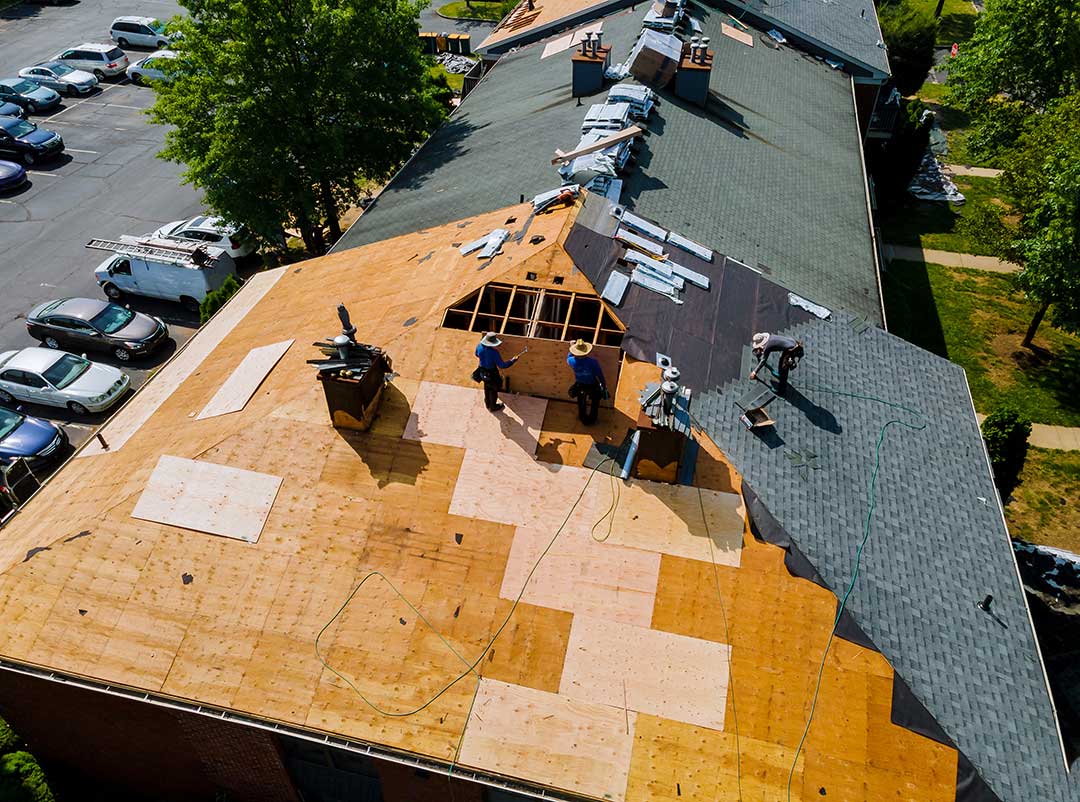
Hail-related damage often looks different. A shingle may have a distinct impact depression with granules missing in the center. The surrounding surface may remain relatively intact.
Wind damage can also be confused with hail damage. Wind commonly lifts, creases, or removes shingles from edges, ridges, and corners. Hail tends to produce impact marks, bruising, and dents. A storm can create both types of damage at the same time.
The age and condition of the roof matter. A newer roof may have isolated storm impacts, while an older roof may show overlapping signs of weathering, wind, ice, and hail. A careful inspection should consider the entire pattern rather than focusing on one mark.
Can small hail damage cause a roof leak?
Yes. Even small hail can damage the protective surface of a shingle, especially if the roof is already weathered or the hail is driven by strong wind. A roof does not need a visible hole to develop a leak.
Shingles are designed as layered materials. Their surface granules help protect the asphalt from sunlight and weather. If an impact removes those granules or bruises the underlying shingle, the affected area may become more vulnerable to moisture and ultraviolet exposure.
Water may not enter immediately. It can travel beneath shingles, around fasteners, or through flashing before appearing indoors. Watch for:
- New brown or yellow ceiling stains
- Damp attic insulation
- Musty odors
- Peeling paint near upper walls or ceilings
- Drips around skylights, vents, or chimneys
- Water appearing after wind-driven rain rather than every rainfall
Any active leak should be treated as a time-sensitive safety issue. Place a container under dripping water, keep clear of wet electrical fixtures, and avoid cutting into a bulging ceiling.
What should residents do after a hailstorm?
Start with safety and documentation. Do not walk on the roof, remove shingles, or use tools to test suspected impact marks. These actions can worsen damage and make the original condition harder to evaluate.
A practical post-storm sequence is:
1. Check the attic and upper ceilings for signs of moisture.
2. Inspect the property from the ground using binoculars.
3. Photograph visible damage and note the storm date.
4. Clear only accessible debris from walkways and drainage areas.
5. Arrange a qualified roof inspection if damage is suspected or a leak is present.
6. Review insurance documentation promptly if filing a claim may be necessary.
In Clifton Park, changing seasons can complicate roof inspections. Spring thaw, summer thunderstorms, autumn debris, and winter ice can each leave marks that resemble storm damage. Photographs taken soon after the event are especially useful because later weather may alter or obscure the original evidence.
Does every dent mean the roof needs to be replaced?
No. A dent or missing granule does not automatically mean the entire roof requires replacement. The appropriate response depends on the extent, location, roof age, shingle condition, and whether water-shedding components have been affected.
Minor damage may be limited to individual shingles or a small section. More extensive impact across several slopes, ridge areas, flashings, or vents may require broader repairs. A sound evaluation should distinguish repairable damage from general aging and should identify whether the roof is still providing reliable water protection.
The most useful question is not simply whether hail struck the roof. It is whether the storm caused functional damage that could shorten the roof’s service life or permit water intrusion.
