
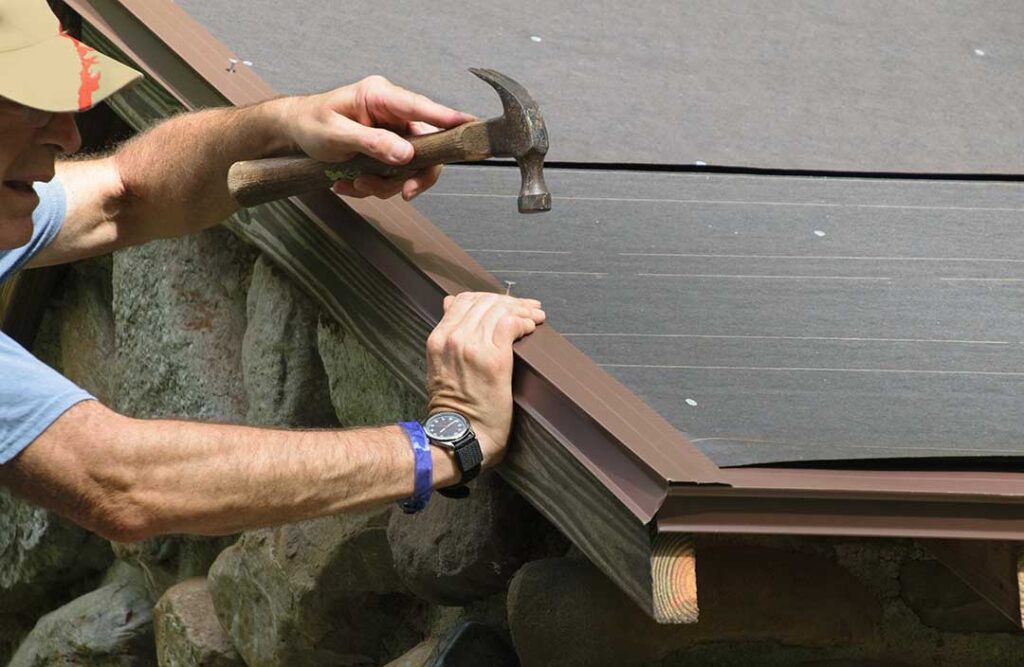
Roof damage rarely stays limited to the roof itself. A missing shingle, loose flashing, or small leak can allow water, wind, and freezing temperatures to affect insulation, ceilings, walls, wiring, and structural materials. In Clifton Park, NY, seasonal weather makes delayed repairs especially risky because roofs must handle snow, ice, rain, wind, and repeated freeze-thaw cycles.
Why can a small roof problem become a major repair?
A roof covering is designed to shed water, not store it. Once water gets beneath shingles or around a roof penetration, it can travel away from the original defect before becoming visible inside the home.
A small damaged area may lead to:
- Wet roof decking beneath the shingles
- Mold or mildew growth in damp insulation
- Stained ceilings and walls
- Peeling paint or damaged drywall
- Rot around eaves, valleys, and roof edges
- Corrosion of metal fasteners and flashing
- Damage to electrical components hidden in ceilings or walls
The visible drip is not always directly below the roof defect. Water can move along rafters, decking, insulation, and framing before appearing indoors. That is why placing a container under a ceiling stain may control the immediate mess without addressing the source.
What happens when roof leaks are ignored?
An active leak can gradually weaken materials that were never designed to remain wet. Roof decking may swell or lose strength, while insulation becomes less effective after absorbing moisture. Wood framing can also deteriorate if damp conditions continue.
Some damage develops slowly and remains hidden for months. A ceiling stain may dry between storms, giving the impression that the problem has stopped. In reality, the underlying materials may still be affected, and the next period of rain or melting snow can reopen the leak.
Ignored leaks can also create indoor air-quality concerns. Mold does not require standing water; persistent dampness in insulation, drywall, sheathing, or attic materials may be enough for growth. Musty odors, recurring discoloration, or unexplained allergy-like symptoms can justify checking for concealed moisture.
How do winter conditions increase roof damage?
Cold weather adds several stresses to an already damaged roof. Water can enter a crack or loose seam, freeze, expand, and make the opening larger. This repeated expansion and contraction is especially hard on aging flashing, pipe boots, sealants, and areas where different materials meet.
Snow and ice create additional concerns:
- Heavy snow adds weight to the roof structure.
- Melting snow can refreeze near colder eaves.
- Ice buildup may interfere with normal drainage.
- Wind can lift loose shingles or expose underlayment.
- Freeze-thaw cycles can widen small cracks.
Not every roof with snow or ice has a problem, and ice near an eave does not automatically indicate dangerous structural conditions. However, existing defects are more likely to worsen during winter because access is limited and repairs may be more complicated in icy conditions.
Can missing or damaged shingles cause interior damage?
Yes. Shingles are only one part of a roof system, but they provide the first layer of protection against rain, snow, and ultraviolet exposure. A missing, cracked, curled, or lifted shingle can expose underlayment and roof decking to the elements.
The risk depends on the location and condition of the surrounding materials. Damage near a valley, roof edge, chimney, vent, or skylight may be more likely to allow water entry because these areas already manage concentrated runoff or contain joints.
A damaged shingle may not produce an immediate ceiling stain. The underlayment might temporarily slow water movement, but it is not intended to serve as a permanent replacement for the roof covering. Continued exposure can eventually affect the decking below.
Why are flashing and roof penetrations common trouble spots?
Flashing directs water around transitions and openings, including chimneys, vents, skylights, walls, valleys, and roof edges. These areas are more vulnerable because they combine multiple materials, seams, angles, and fasteners.
Sealants may shrink, crack, or separate over time. Metal flashing can loosen or corrode, while movement caused by temperature changes can open gaps. A roof may look generally sound from the ground while a small flashing failure allows water into the attic or wall system.
Roof penetrations deserve particular attention after strong wind or heavy rain. Water around a vent or pipe may be mistaken for a plumbing leak, especially when the affected ceiling is near a bathroom or kitchen. The source should be traced rather than assumed based only on the room below.
What are the safety risks of postponing repairs?
Some roof problems create direct safety hazards. Loose shingles, damaged metal, or sections of deteriorated trim can fall during high winds. Wet ceilings may become heavier and weaker, and water near light fixtures, wiring, outlets, or electrical equipment can create shock or fire risks.
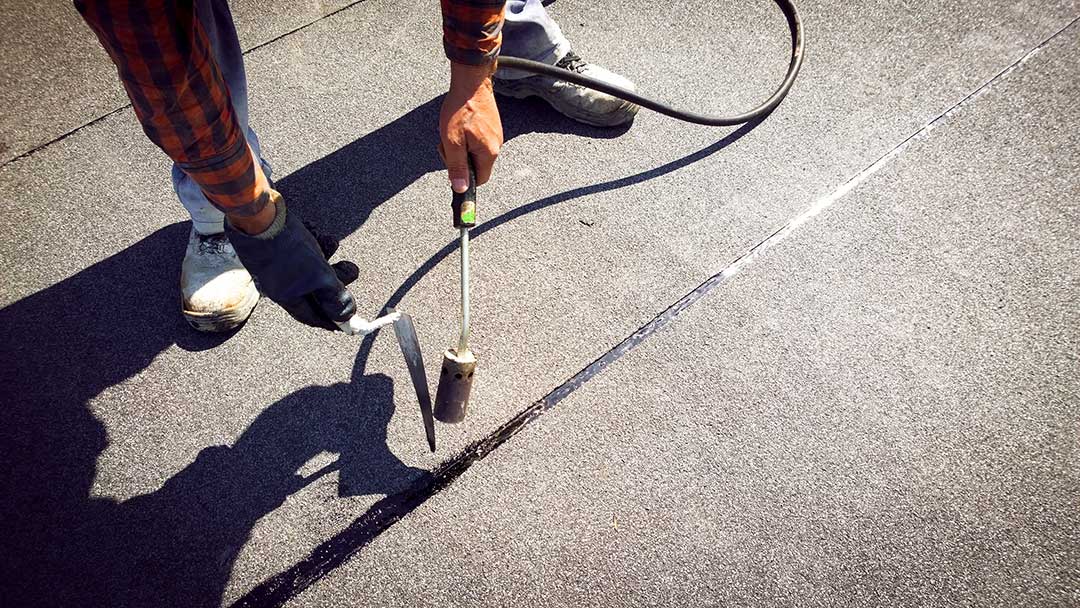
Residents should avoid climbing onto a wet, icy, or snow-covered roof. Roof surfaces may be slippery even when they appear stable, and hidden damage can make footing unpredictable. Extension ladders, steep slopes, and soft areas near roof edges add further risk.
If water is near an electrical fixture, power should be shut off only when it can be done safely. A ceiling that is bulging, sagging, or rapidly worsening should not be disturbed from directly underneath.
Which warning signs should homeowners take seriously?
Some indicators are obvious, while others appear in the attic or upper levels of the home. Useful warning signs include:
- New ceiling or wall stains
- Bubbling paint or peeling wallpaper
- Damp insulation or darkened roof decking
- Musty odors in an attic or upper room
- Daylight visible through the roof deck
- Granules collecting in gutters or downspouts
- Shingles that are curled, cracked, missing, or displaced
- Rusted flashing or exposed fasteners
- Repeated leaks after snowmelt or heavy rain
- Unexplained drafts or increased moisture in the attic
A single sign may have more than one possible cause. For example, attic condensation can resemble a roof leak, and a ceiling stain may be related to plumbing. Careful inspection is needed to distinguish among these conditions.
Does a roof need attention if the leak only happens during heavy rain?
Intermittent leaks still deserve attention. Heavy rain can overwhelm a marginal flashing detail, damaged shingle, clogged drainage path, or low area that stays dry during lighter storms. The absence of a leak during fair weather does not prove that the roof is sound.
Tracking when the leak occurs can provide useful information. Note whether it follows wind from a particular direction, snowmelt, driving rain, or a rapid temperature change. Photographs of interior stains and roof debris can also help document whether the condition is spreading.
Temporary measures may reduce immediate water entry, but materials such as roofing cement, tarps, or interior sealants are not equal substitutes for correcting the underlying defect. Improvised repairs can also conceal damage and make later evaluation more difficult.
How can residents reduce the consequences of delayed repairs?
Routine observation helps identify problems before they become extensive. After major wind, heavy rain, or a winter storm, a ground-level check may reveal missing shingles, fallen debris, or damaged flashing. Gutters and downspouts should also be watched for unusual granule buildup, sagging, or drainage problems.
Inside the home, inspect accessible attic areas for dampness, staining, compressed insulation, or mold-like growth. Do not step on areas between attic joists unless a safe walking surface is present.
Roof repairs should not be delayed when there is active water entry, exposed decking, structural sagging, extensive storm damage, or electrical involvement. These conditions can affect both the home and personal safety, particularly during winter weather in Clifton Park.
