
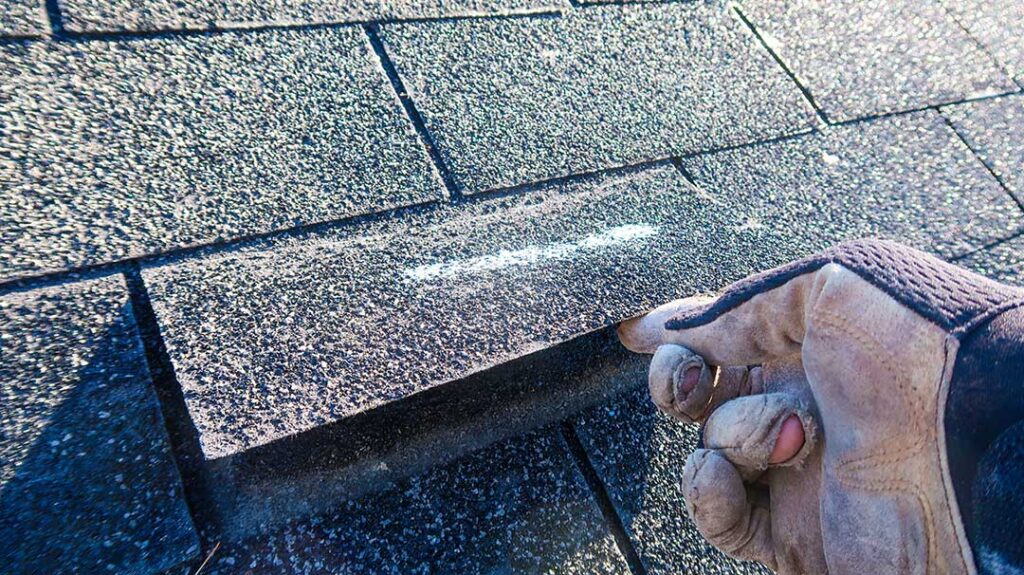
Roof flashing is a layer of water-resistant material installed around roof joints, edges, and openings where leaks are most likely to begin. In Clifton Park, NY, flashing helps a roof handle snow, ice, rain, wind, and repeated seasonal expansion without allowing water into the roof structure.
What is roof flashing?
Roof flashing is usually made from thin metal, though some systems use flexible membranes or specially formed materials. Its purpose is to direct water away from vulnerable areas and back onto the roof surface or into a drainage system.
Flashing is not the same as shingles. Shingles shed most rainwater across the broad surface of a roof, while flashing protects the transitions where one building material meets another.
Common flashing locations include:
- Chimneys
- Plumbing vent pipes
- Roof valleys
- Skylights
- Dormers
- Wall-to-roof intersections
- Roof edges and eaves
- Areas around roof-mounted equipment
- Changes in roof direction or slope
These locations need extra protection because water can collect, change direction, or move sideways when driven by wind.
Why does roof flashing matter?
Flashing matters because many roof leaks begin at joints rather than in the middle of an otherwise intact shingle field. A small opening around a chimney or vent can allow water to reach sheathing, insulation, framing, or interior ceilings.
Properly installed flashing performs several related jobs:
- It creates a water-shedding surface around roof penetrations.
- It covers gaps between dissimilar materials.
- It guides runoff around obstacles.
- It limits water entry caused by wind-driven rain.
- It helps prevent moisture from reaching hidden structural components.
A roof may still appear sound from the ground while flashing has already deteriorated. Water can travel along rafters or roof decking before appearing indoors, so the visible stain may be several feet away from the original problem.
Where is flashing found on a typical roof?
Different roof areas use different types of flashing because each location handles water differently.
Step flashing
Step flashing is installed where a sloped roof meets a vertical wall, such as beside a dormer. Small pieces are layered with the shingles so water is directed downward while the wall remains protected.
Counterflashing and chimney flashing
Chimneys commonly use two parts: flashing installed at the roof base and counterflashing set into the chimney mortar joints or masonry. This arrangement allows the roof and chimney to move slightly without opening a continuous gap.
Chimney flashing can be vulnerable to cracking mortar, settlement, ice buildup, and poorly sealed joints. Caulk alone is not a substitute for correctly formed and layered flashing.
Valley flashing
A roof valley collects water from two roof slopes. Some valleys use exposed metal, while others use concealed membrane systems or shingle layouts designed to shed water. Valleys must remain clear of leaves, branches, and accumulated ice so water does not back up beneath the roofing materials.
Pipe flashing
Plumbing vent pipes pass through the roof and require a fitted boot or collar. The exposed seal around the pipe can become brittle with age, while the surrounding metal may corrode or pull away from the roofing surface.
Drip edge
Drip edge is installed along roof edges to help move water away from the fascia and into gutters or beyond the wall line. It also helps protect the edge of the roof deck from moisture and gives the roofing materials a defined termination.
How does local weather affect flashing?
Seasonal weather in Clifton Park can place repeated stress on roof flashing. Freeze-thaw cycles are particularly relevant because water that enters a small crack can freeze, expand, and widen the opening.
Snow and ice can also create temporary dams near eaves, valleys, and roof transitions. If melting water cannot drain normally, it may move beneath shingles or press against flashing joints.
Other local conditions that can affect flashing include:
- Heavy rain combined with strong wind
- Snow sliding against roof projections
- Ice accumulation along eaves
- Temperature changes that cause metal and roofing materials to expand at different rates
- Falling branches or debris
- Leaf buildup in valleys and around roof penetrations
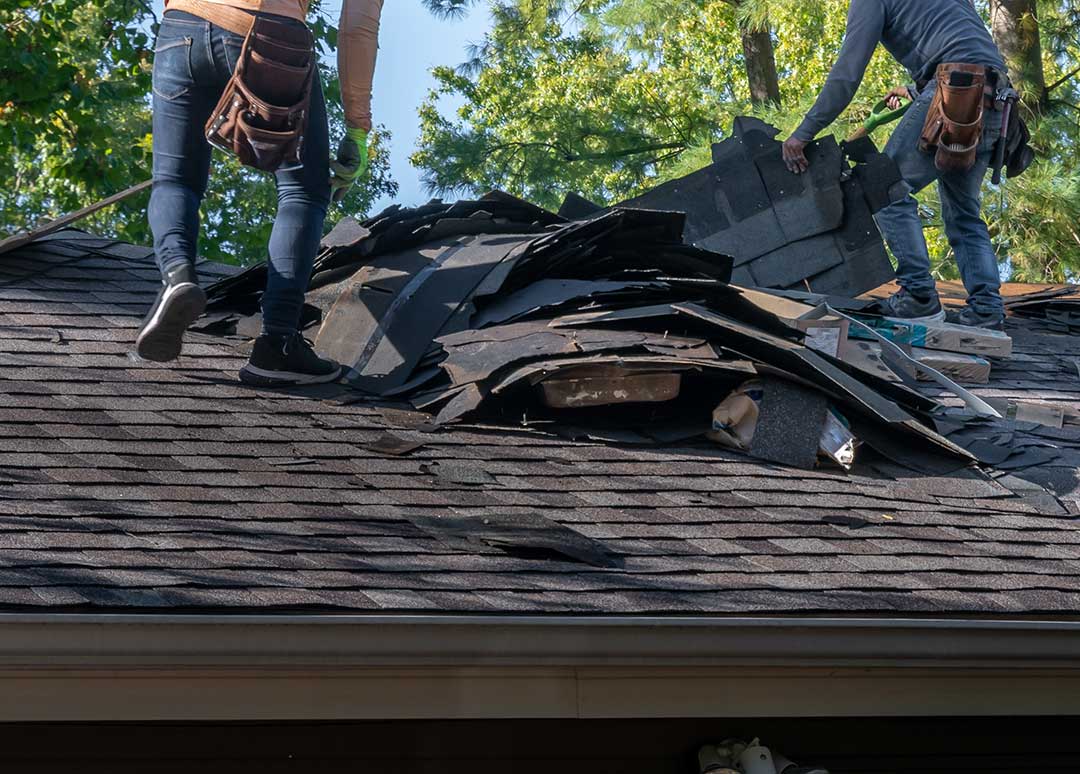
Flashing does not prevent every roof problem, but properly designed and maintained flashing gives water fewer opportunities to enter vulnerable areas.
What are the signs of damaged or failing flashing?
Some flashing problems are visible from the ground, but many require a closer inspection. Warning signs may include:
- Rust, holes, or lifted metal
- Cracked or missing sealant around joints
- Loose pieces after severe weather
- Water stains on ceilings or upper walls
- Damp insulation or musty attic odors
- Peeling paint near roof or wall intersections
- Shingles that appear raised around a chimney or vent
- Visible gaps where the roof meets a vertical wall
- Recurring leaks in the same area
A stain that appears only during wind-driven rain may point to flashing or another roof transition rather than a general shingle failure. Likewise, a leak that appears after snow melts may involve an eave, valley, or ice-related drainage problem.
Does roof flashing need sealant?
Sealant can be useful, but it is not the main defense against water. Flashing should be shaped, layered, and fastened so that gravity directs water away from the building. Sealant is generally a secondary protective detail.
Sealant can deteriorate because of sunlight, temperature changes, moisture, and movement between materials. Applying new caulk over old, failed caulk may hide a symptom without correcting the underlying issue.
A durable repair may require replacing damaged metal, rebuilding a layered flashing assembly, correcting the roof slope, or addressing the material that is allowing movement or water accumulation.
Can damaged flashing be repaired without replacing the roof?
Often, yes. A localized flashing problem does not automatically mean the entire roof needs replacement. The appropriate repair depends on the extent of the damage, how the flashing was installed, and whether nearby roofing materials can be removed and reset without causing additional problems.
A limited repair may involve replacing flashing around a vent, correcting a small wall intersection, or rebuilding a section near a chimney. More extensive work may be needed if water has damaged roof decking, framing, insulation, or interior finishes.
The age and condition of the surrounding roof also matter. Replacing one small component may be practical on a relatively sound roof, while brittle or heavily worn roofing materials can make isolated repairs more difficult.
How can homeowners check flashing safely?
A visual inspection from the ground is a reasonable first step. Look for missing pieces, unusual gaps, rust, lifted materials, and signs of water staining inside the attic or upper floors.
If an attic is accessible, check for:
- Darkened wood near roof penetrations
- Damp insulation
- Water trails or staining
- Daylight visible through roof joints
- Condensation that could be mistaken for a roof leak
Roof surfaces can be slippery, especially after rain, frost, or snow. Walking on steep or wet roofing can cause falls and can also damage shingles or flashing. Areas near chimneys, skylights, and roof edges carry additional hazards, so conditions that cannot be safely observed from the ground or attic may require a qualified inspection.
Proper flashing is easy to overlook because much of it is hidden beneath shingles, siding, masonry, or trim. Yet these relatively small components often determine whether water flows harmlessly away or finds a path into the roof assembly.
