

What Causes Shingle Curling and Cracking?
Shingle curling and cracking occur when roofing shingles lose their structural integrity, often resulting from a mix of environmental stressors and material aging. Curled shingles usually lift at the edges, while cracked shingles develop splits or fissures across their surface.
In the climate of Clifton Park, local roofs face dramatic seasonal swings. Winter freezes, summer heat, and high humidity each contribute to the wear and tear of roofing materials. Common reasons for these issues include:
- Age-related brittleness from repeated temperature cycles
- Poor attic ventilation trapping excess heat and moisture
- Wind-driven rain forcing water beneath shingle edges
- Installation of new shingles over old ones (layering)
Curling and cracking can appear gradually and may be hard to spot from the yard. Regular visual checks after storms or as roofs approach their expected service life help area households catch problems early.
Are Curled or Cracked Shingles an Immediate Risk?
Most curled or cracked shingles don’t cause sudden leaks or failures. Still, these signs indicate that shingles are less effective at shedding water, increasing the likelihood of moisture entering the roof system over time.
Locally, residents notice issues like:
- Small water stains on upper floors or attics after heavy rain
- Occasional lost shingle pieces in yards or gutters
- Persistent dampness or musty odors in attic spaces
Severe cases—such as widespread curling, deep cracks, or visible gaps between shingles—require prompt attention to avoid further damage from ice dams and wind-driven rain, especially during the harsh wet seasons.
How Can Homeowners Manage Curling and Cracking Themselves?
Minor curling along a few shingles or small, localized cracks can sometimes be addressed by homeowners safely:
- Use a caulk gun with roofing sealant to secure lifted edges (do this during mild, dry weather).
- Place a brick or weighted object temporarily on curled shingles to help flatten them after applying sealant—remove after a day.
- Apply a small amount of high-quality roofing cement under cracked areas to seal them.
Ladders should be placed on firm ground, and work should only be attempted during calm weather. Extensive or steep-roof repairs are best left to experienced individuals due to slip risks. Never attempt repairs in ice, wind, or rain.
When Is Full Replacement Better Than a Patch?
Spot repairs are temporary for aging or extensively damaged roofs. Shingles nearing or past their expected lifespan (often 20+ years in this region) will likely keep curling or splitting after each season.
In Clifton Park’s variable climate, consider broader solutions when:
- More than 20% of shingles on visible slopes are curled or cracked
- There are leaks inside despite repairs
- Multiple layers of old roofing are present
Under these circumstances, replacing the worn-out section or the entire roof is safer than ongoing patchwork. Modern roofing materials often handle local weather extremes more reliably than those installed decades ago.
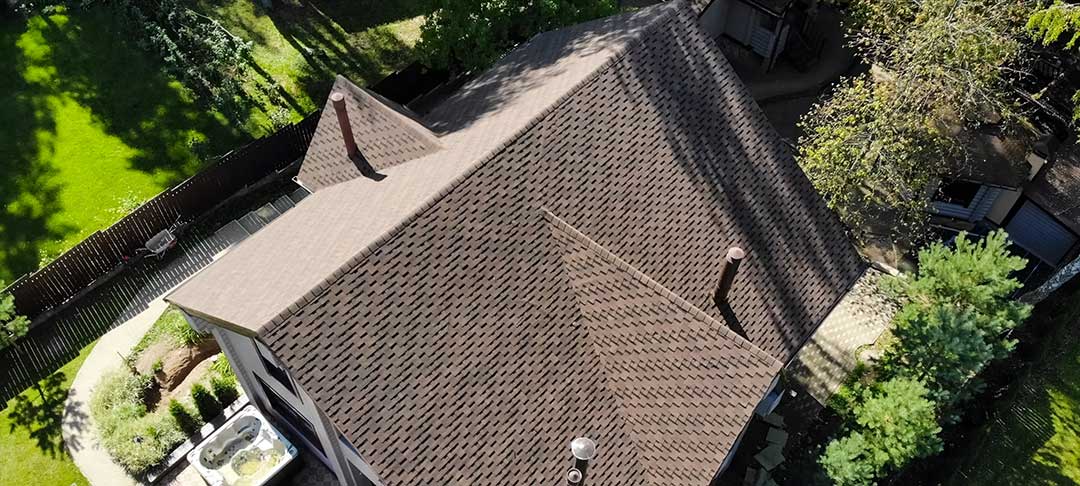
How Does Local Weather Play a Role?
Roofs in Clifton Park see rapid thawing and freezing cycles from late fall through early spring, which makes shingle failure more common than in milder regions. Humid summers accelerate aging, while winter ice dams can worsen existing cracks by forcing water underneath shingles.
Local habits like using salt or shoveling roofs add extra pressure that may inadvertently dislodge brittle shingles. Residents can extend roof life by:
- Keeping the attic well vented to prevent overheating
- Ensuring insulation is evenly distributed to reduce ice dam formation
Regular post-winter and pre-summer roof inspections help area homeowners adapt to the city’s distinctive climate challenges.
What Are Overlooked Factors With Curling and Cracking Shingles?
Several lesser-known issues contribute to shingle distress:
- Insufficient attic ventilation—often overlooked—can drive up attic heat and humidity, shortening shingle life.
- Inadequate gutters or clogged downspouts expose eaves to water backup, increasing curling at roof edges.
- Moss growth, common on shaded parts of many local homes, lifts shingles and locks in moisture, leading to cracks.
Checking attic airflow during hot days, cleaning gutters yearly, and controlling moss growth can go a long way toward prevention.
Can Curling and Cracking Be Prevented?
While no roof is maintenance-free, local residents can take practical steps:
- Trim overhanging branches to keep roofs dry and reduce moss
- Schedule regular roof and attic checks, especially after storms or severe seasonal changes
- Use proper insulation and keep vents unblocked to balance attic temperature
Following these habits reduces the severity and frequency of shingle issues, helping area households maintain sound, watertight roofs throughout the unpredictable Clifton Park seasons.
