
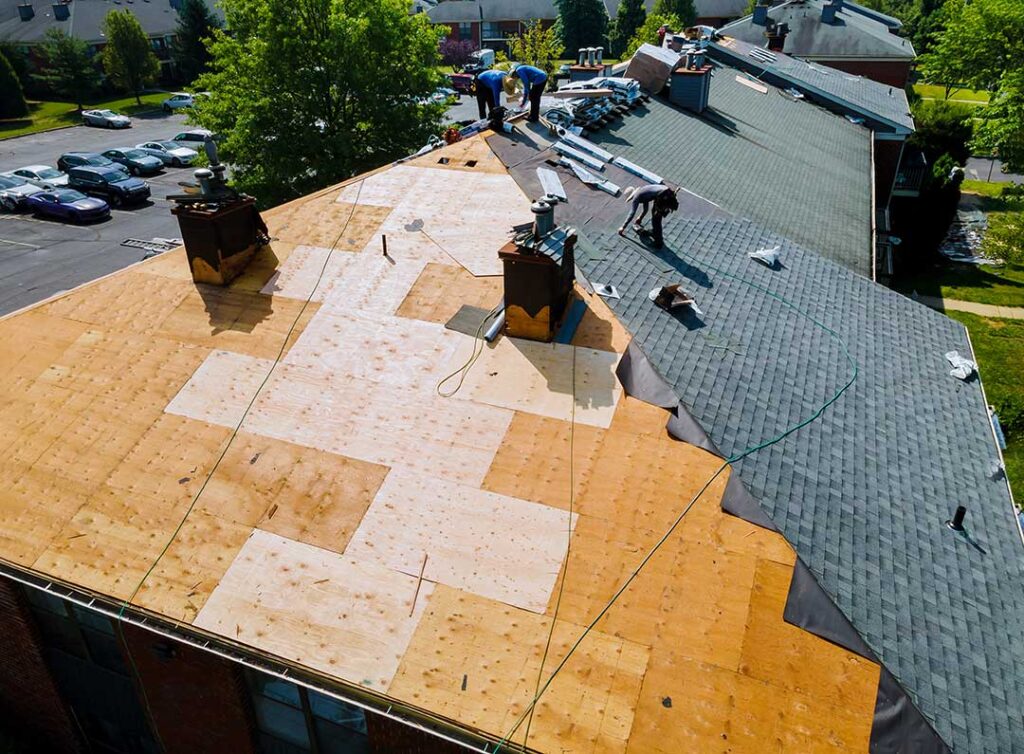
How Do Flat and Sloped Roofs Differ for Homes in Clifton Park, NY?
Flat and sloped roofs offer very different experiences for residents throughout the region. In Clifton Park, climate and neighborhood characteristics impact how well each type of roof performs. Flat roofs are nearly level, with just enough pitch to drain water, while sloped roofs have more noticeable angles. The shape of a home’s roof affects drainage, maintenance, and even energy efficiency, making this a practical decision for many households.
What Are the Pros and Cons of Flat Roofs?
Flat roofs can offer a modern look and sometimes extra outdoor space, but they come with unique challenges, especially in a climate where snow and rain are a regular part of the year.
Benefits:
- Often less expensive to construct due to using fewer materials.
- Make upper-story access for repairs or installations (like solar panels) much easier.
- Sometimes used as rooftop decks or patio spaces, depending on structural design.
Downsides:
- Less efficient shedding of rain and snow, leading to water pooling if not carefully maintained.
- Require regular inspection for leaks and drainage problems.
- Heavier snow loads can stress the structure in winter, especially after storms.
- Insulation and sealing are critical, as a small issue can quickly become a bigger problem.
In Clifton Park, flat roofs are more common on commercial buildings and mid-century modern homes, though some contemporary houses use them as well.
Why Are Sloped Roofs So Common in the Area?
Sloped roofs are the standard for most local single-family homes, and the reasons are practical. Their angled design lets rain, ice, and snow slide off, minimizing pooling and reducing the risk of leaks.
Direct answer: Sloped roofs are easier to maintain through the region’s four seasons and generally last longer under the local weather conditions.
Expanded explanation:
- They work well with traditional architectural styles found throughout the area.
- Most sloped roofs use materials like asphalt shingles or metal, both of which hold up well in the city’s seasonal weather.
- Attic spaces beneath sloped roofs can help keep homes warmer in winter and cooler in summer.
- Snow accumulation rarely leads to the same drainage worries as with flat roofs, reducing stress about mid-winter thaws and freeze cycles.
How Does the Local Climate Impact Roof Type Choice?
The city experiences cold winters, frequent snow, spring rain, and periodic summer storms. That means the ability to handle precipitation and temperature swings matters.
Flat Roofs:
- Prone to leaks if drains clog or membranes fail.
- Must hold up against standing water and ice.
- Proper design and maintenance are crucial for managing thaw-freeze cycles.
Sloped Roofs:
- Quickly shed snow and rain, reducing leak risks.
- Ice dams are a concern but can be managed with insulation and ventilation.
- Tend to recover faster from storms, as debris can slide or be removed more easily.
This climate makes sloped roofs a safer choice for many homeowners, but well-built and maintained flat roofs can still work, especially for special design needs.
What Are Common Misconceptions About Flat and Sloped Roofs?
Residents sometimes hear myths about both types.
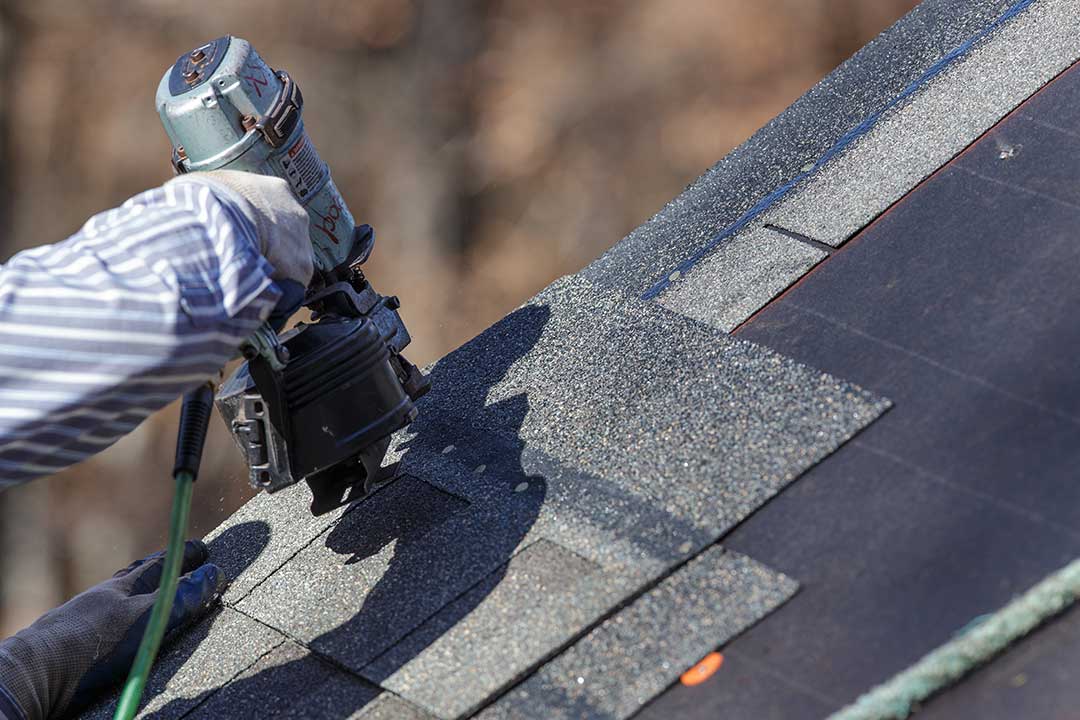
*Some think flat roofs always leak*—but modern materials and regular upkeep make them reliable for decades.
*Some believe sloped roofs need no maintenance*—but missing shingles, ice dams, or gutter issues can still cause major problems if ignored.
Flat roofs do not necessarily require more repairs, but neglecting basic maintenance is more likely to lead to costly damage. Sloped roofs can also leak, especially at flashing or vent penetrations, if seasonal checks are skipped.
Which Roof Is More Energy Efficient in This Area?
Short answer: Both flat and sloped roofs can be energy efficient with proper insulation, but each has unique considerations.
- Flat roofs offer large, unbroken surfaces for insulation and cool roofing membranes, which can help keep homes cooler in the summer.
- Sloped roofs often include an attic space, adding extra protection from the elements and allowing for thick insulation layers. Proper venting is especially helpful in colder months to prevent ice dams and moisture buildup.
For most local homes, energy efficiency depends more on the quality of installation and insulation than on the roof’s shape alone.
How Important Is Maintenance for Each Roof Type?
Maintenance is essential for any roof, but flat roofs require more regular checks due to their design.
- Flat roofs should be inspected after each major storm and at least twice a year for moisture intrusion, blockage in drains, and membrane problems.
- Sloped roofs benefit from seasonal gutter clearing, shingle checks, and making sure vents and flashing are secure.
Ignoring maintenance increases risk for both types, but for flat roofs, even small issues can lead to significant leaks or interior moisture problems.
What About Permits and Insurance in Clifton Park, NY?
Roofing projects typically require permits. The local building department sets guidelines for pitch, materials, and snow load.
- Insurance companies may ask additional questions about flat roofs because of increased water risk.
- Coverage terms for sloped roofs are usually straightforward, provided the roof is in good repair.
Working with the building department ensures compliance and eligibility for insurance claims in case of damage.
Are There Special Design or Neighborhood Considerations?
Some neighborhoods or homeowners’ associations in Clifton Park may have architectural standards regarding roof shape or material. Older neighborhoods generally feature sloped roofs in keeping with regional styles, while new developments might offer a mix of flat and low-slope designs.
- Flat roofs may be limited by certain design rules.
- Local trends lean toward sloped roofs for detached homes but are more flexible for additions or accessory buildings.
For home renovations or new construction, reviewing local codes and community standards helps avoid costly design revisions later.
