
A roof leak can begin as a small stain and quickly become a damaged ceiling, wet insulation, or an electrical hazard. The safest response is to control the water, protect people and belongings, document what is happening, and avoid making the damage worse.
What should you do first after discovering a leak?
Move people and valuables away from the affected area, then place a container under active dripping. If the ceiling is bulging, do not stand beneath it; a water-filled section of drywall can become heavy and collapse.
Use towels, plastic sheeting, or a shallow container to limit spreading water, but avoid climbing onto furniture or using unstable ladders. If water is near a light fixture, outlet, appliance, or electrical panel, turn off power to the affected area only if the panel can be reached safely without stepping through water. Otherwise, stay clear and seek emergency assistance.
A ceiling stain may remain after the dripping stops. That does not necessarily mean the leak is active, but it does show that water has entered the building materials.
How can you tell whether the leak is still active?
Check the area during and after rainfall, snowmelt, or a temperature change. Active leaks may produce:
- Fresh drops or a steady trickle
- Damp or soft drywall
- Expanding brown or yellow stains
- Peeling paint or bubbling plaster
- Wet insulation
- Water along a wall, window opening, or ceiling edge
- Musty odors that become stronger over time
Water does not always appear directly below the roof problem. It can travel along rafters, roof sheathing, insulation, plumbing lines, or wall cavities before entering a room. A stain near an exterior wall may come from roof runoff, flashing, siding, or a window rather than from the visible point above it.
During freezing weather, an attic or roof leak may appear hours after precipitation begins. Ice, snow, and frozen materials can temporarily block drainage, allowing water to move beneath roofing materials before it reaches the interior.
Should you go onto the roof to look for the source?
Usually, no. Wet shingles, frost, snow, steep slopes, and hidden weak areas make roof access hazardous. A roof can also contain damaged decking that is not visible from above.
From the ground, look for obvious changes such as missing shingles, sagging sections, damaged flashing, clogged or overflowing gutters, or branches resting on the roof. Binoculars can help with a visual check without requiring a climb.
An attic inspection may provide useful information if the space is dry, accessible, and safe. Look for darkened wood, wet insulation, water trails, daylight through the roof deck, or damp areas around vents and penetrations. Do not enter an attic if the floor is uncertain, electrical wiring is exposed, or the space is hot, confined, or difficult to exit.
What temporary steps can reduce further damage?
Temporary measures should focus on keeping water away from occupied spaces and vulnerable materials. They are not a substitute for finding and correcting the entry point.
If the leak is minor and conditions are safe, place a container beneath the drip and gently remove nearby items. Use plastic to cover furniture, flooring, and stored belongings, but avoid sealing wet materials tightly for long periods because trapped moisture can encourage mold growth.
If a storm has caused visible exterior damage, a temporary tarp may limit additional water entry. Installing one on a roof can be dangerous, especially during wind, rain, snow, or icy conditions. It is safer to keep people off the roof and use interior protection until weather and access conditions improve.
Do not apply caulk, roofing cement, expanding foam, or household tape to a wet interior stain and assume the issue is solved. These products may conceal symptoms while water continues entering elsewhere.
How should you document the damage?
Take photographs and short videos as soon as it is safe. Capture the ceiling stain, active dripping, wet flooring, damaged belongings, exterior roof conditions visible from the ground, and any water near electrical components.
Write down:
- The date and approximate time the leak was found
- Whether it followed rain, snow, ice, wind, or thawing
- Which rooms are affected
- Whether the leak is constant or intermittent
- Any actions taken to limit damage
- Changes in the size or appearance of the stain
Documentation can help identify patterns and may be useful for insurance, especially if the damage develops over several days. Keep damaged materials and belongings until an insurance representative provides instructions, unless they create an immediate health or safety problem.
What are common causes of roof leaks in this area?
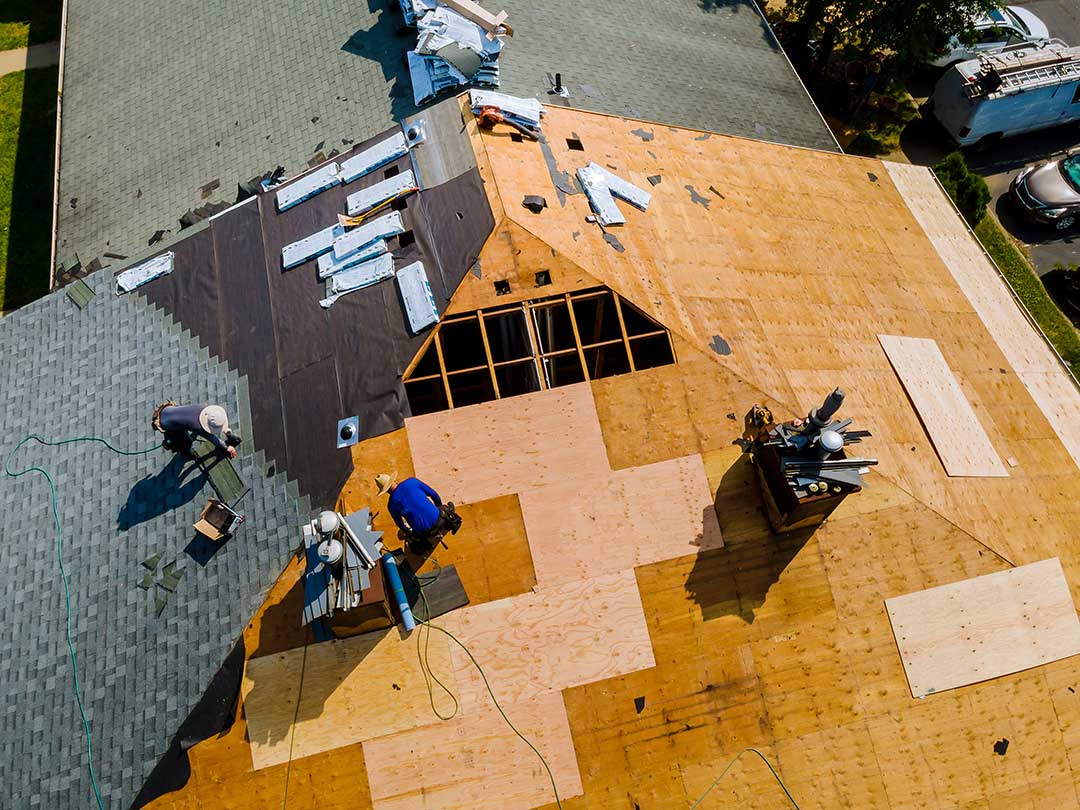
Homes in Clifton Park experience repeated cycles of rain, snow, freezing temperatures, thawing, and wind. Those conditions can expose weaknesses in several parts of a roofing system.
Frequent causes include:
- Damaged, missing, or lifted shingles
- Aging roof materials
- Cracked or displaced flashing around chimneys, vents, and roof edges
- Blocked gutters or downspouts
- Ice buildup along roof edges
- Poorly sealed vent or pipe penetrations
- Wind-damaged branches or debris
- Deteriorated roof decking
- Water backing up beneath roofing materials during heavy precipitation
A roof may appear intact from the ground while still allowing water through a small opening. Leaks can also become noticeable only during specific wind directions or when melting snow moves across a cold roof surface.
Can a ceiling stain be repaired without fixing the roof?
No. Painting over a stain only covers the visible evidence. If the source remains, the stain may return, drywall may weaken, insulation may stay wet, and mold may develop.
The proper sequence is to identify and stop the water entry, allow affected materials to dry, remove materials that cannot be salvaged, and then repair or refinish the interior surface. Drywall that is swollen, crumbling, or persistently damp may need replacement. Wet insulation often loses effectiveness and may retain moisture longer than surrounding surfaces.
When is the situation an emergency?
Immediate attention is warranted when water is entering near electrical equipment, the ceiling is sagging, the roof has a large opening, strong winds have created loose materials, or a tree or heavy branch has struck the structure.
Leave the area if the ceiling is visibly deforming, cracking, or making unusual sounds. Keep children and pets away from wet flooring, exposed wiring, falling materials, and any area where contaminated water may be present.
If water has entered after a sewage backup, plumbing failure, or other potentially contaminated event, avoid direct contact and use appropriate protective measures. Roof leaks generally involve rain or snow, but water can mix with attic debris, insulation fibers, or animal waste before reaching the living space.
How can future leaks be found earlier?
Regular visual checks are more useful than waiting for an interior stain. After major storms and before winter, inspect the roof from the ground for missing materials, damaged flashing, sagging gutters, and debris. Keep gutters and downspouts clear so water can drain away from the roof and foundation.
Inside, check the attic for damp wood, compressed insulation, rusted fasteners, or daylight where it should not be visible. Watch ceilings and upper walls for discoloration, peeling paint, or recurring odors.
In a climate with snow and freeze-thaw cycles, prompt attention to small signs is especially helpful. A minor stain after one storm may reveal a weakness that becomes a larger opening after repeated wetting, freezing, expansion, and thawing.
